





In this edition:
- Bank of Canada maintains policy rate at 2.25 per cent
- Market downturn changes nature of St. Davids development
- Canada’s international investment position
- Ontario’s Expenditure Monitor 2025-26: Q2 report
- What Canadian LNG and oil exports could mean for global emissions
- Focus on Trends
Did you know you can get the GNCC’s Daily Update emailed to you? Click here to sign up.

It’s time to draw the line and end youth homelessness.
FEATURED CONTENT
At RAFT, we have always believed that homelessness can indeed be solved. So, we looked at the evidence from all sides, challenged our assumptions and the pieces started to fall into place. We discovered that the real cause of homelessness is not lack of housing; it is broken human attachments. The solution is not shelters; it is repairing and reinforcing relationships with families, friends, schools, and communities.
Wishing you a season filled with warmth and the joys of togetherness. With your help, we can give vulnerable young people shelter and stability.
It’s time to draw the line and end youth homelessness.
Donate today – https://www.canadahelps.org/en/dn/138406
Read more: https://www.theraft.ca/blog
Christian / Adobe Stock
Bank of Canada maintains policy rate at 2.25 per cent
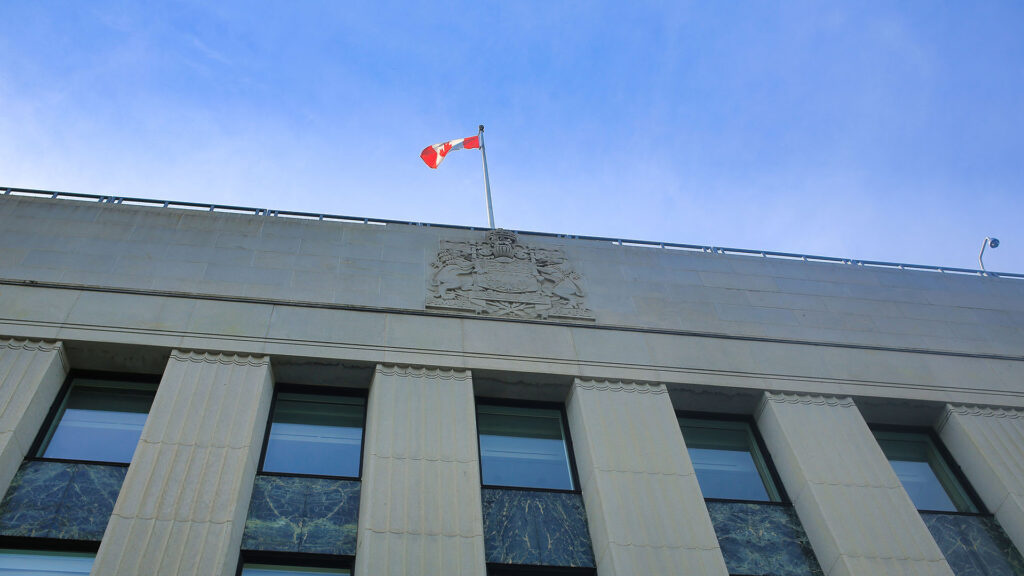
The Bank of Canada today held its target for the overnight rate at 2.25 per cent, with the Bank Rate at 2.5 per cent and the deposit rate at 2.20 per cent.
Canada’s economy grew by a surprisingly strong 2.6 per cent in the third quarter, even as final domestic demand was flat. The increase in GDP largely reflected volatility in trade. The Bank expects final domestic demand will grow in the fourth quarter, but with an anticipated decline in net exports, GDP will likely be weak. Growth is forecast to pick up in 2026, although uncertainty remains high and large swings in trade may continue to cause quarterly volatility.
Canada’s labour market is showing some signs of improvement. Employment has shown solid gains in the past three months and the unemployment rate declined to 6.5 per cent in November. Nevertheless, job markets in trade-sensitive sectors remain weak and economy-wide hiring intentions continue to be subdued.

Google Street View
Market downturn changes nature of St. Davids development
The downturn in the housing market has impacted at least one St. Davids development.
Sleek Development had been proposing to build a mid-range apartment building at 308 Four Mile Creek Rd. as part of its Phase 2 plan for the property. But with a slowing market for residential units, the developer has instead decided to construct townhouses.
“Townhouses would make (the plan) more viable,” said Jennifer Vida, a planner representing Sleek Development during Niagara-on-the-Lake’s Dec. 2 planning committee meeting. “We will be pivoting to building six townhouses rather than a mid-range development.”

JHVEPhoto / Adobe Stock
Canada’s international investment position
Canada’s net foreign asset position, the difference between Canada’s international financial assets and international liabilities, increased by $95.3 billion to $1,925.8 billion at the end of the third quarter, following two consecutive quarters of decline.
Overall, the upward revaluation from fluctuations in exchange rates and, to a lesser extent, the upward revaluation due to market price changes contributed to the increase. In the third quarter, Canada’s international assets and liabilities both grew significantly, driven by the rise in equity and debt instrument prices.
JHVEPhoto / Adobe Stock
Ontario’s Expenditure Monitor 2025-26: Q2 report
Today, the Financial Accountability Office of Ontario (FAO) released its Expenditure Monitor 2025-26: Q2 report. This report provides an update on the Government of Ontario’s 2025-26 spending plan and reviews unaudited spending by the Province through the first two quarters of the 2025-26 fiscal year.
As outlined in the 2025 Ontario Budget, the Province began the 2025-26 fiscal year with a spending plan of $232.5 billion. The Province may change its spending plan throughout the year, either by requesting additional spending authority from the Legislature or by reallocating spending among different programs. As of the end of the second quarter, the Province’s spending plan was down $254 million to $232.2 billion.
Ramon Cliff / Adobe Stock
What Canadian LNG and oil exports could mean for global emissions
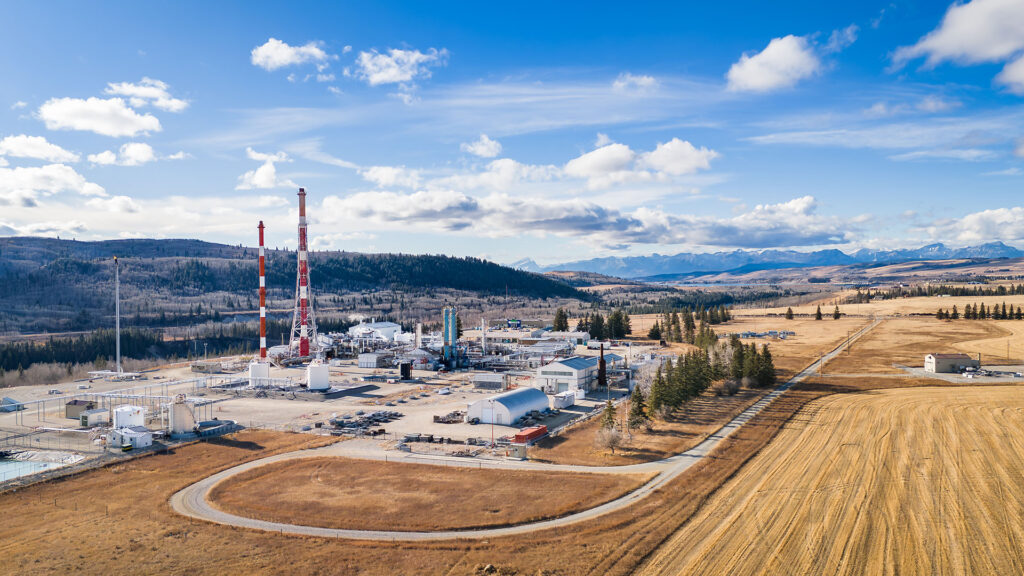
A new report from the Public Policy Forum (PPF), produced in partnership with the Canadian Chamber of Commerce Future of Business Centre, finds that expanding Canada’s liquefied natural gas (LNG) and oil exports could significantly reduce global greenhouse gas emissions.
Refuel: What Canadian LNG and oil exports could mean for global emissions draws on an exclusive new analysis by Navius Research. The study shows that Canadian LNG and oil are highly likely to substitute higher-emitting global alternatives and deliver significant climate benefits. Were Canadian LNG to be used for electricity generation in Japan, South Korea, China or India, it would deliver a 50 percent emissions reduction in replacing domestic coal and a 40 percent reduction were it to displace LNG from the U.S.
Focus on Trends
This generation of Canadians is rapidly increasing its wealth and may soon unseat the boomers
Serah Louis, Financial Post
The average boomer household’s wealth rose to $1,458,282 in the second quarter of 2025, up just 5.4 per cent from the same period a year earlier, according to Statistics Canada data.
Households from gen X, the so-called “forgotten generation,” meanwhile, saw their wealth jump 11 per cent year over year to $1,331,538, the fastest growth in average net worth across all households. Generation X (those aged between 45 and 60 years old) could soon surpass baby boomers (aged between 61 to 79 years old) in average wealth, the data suggests.
Through the Daily Updates, the GNCC aims to deliver important business news in a timely manner. Inclusion in the Daily Update is not an endorsement by the GNCC.
