





In this edition:
- Niagara construction up 200% year-over-year
- Niagara’s South Coast Tourism Association partners with Indigenous Tourism Ontario on virtual indigenous business programming
- Fort Erie council approves climate change action plan, rejects ‘climate emergency’ wording
- Here’s where Canada’s effective U.S. tariff rate might stand after the carve-outs
- Canadian canola farmers brace for losses as China announces 75% tariff
- Focus on Retail
Did you know you can get the GNCC’s Daily Update emailed to you? Click here to sign up.
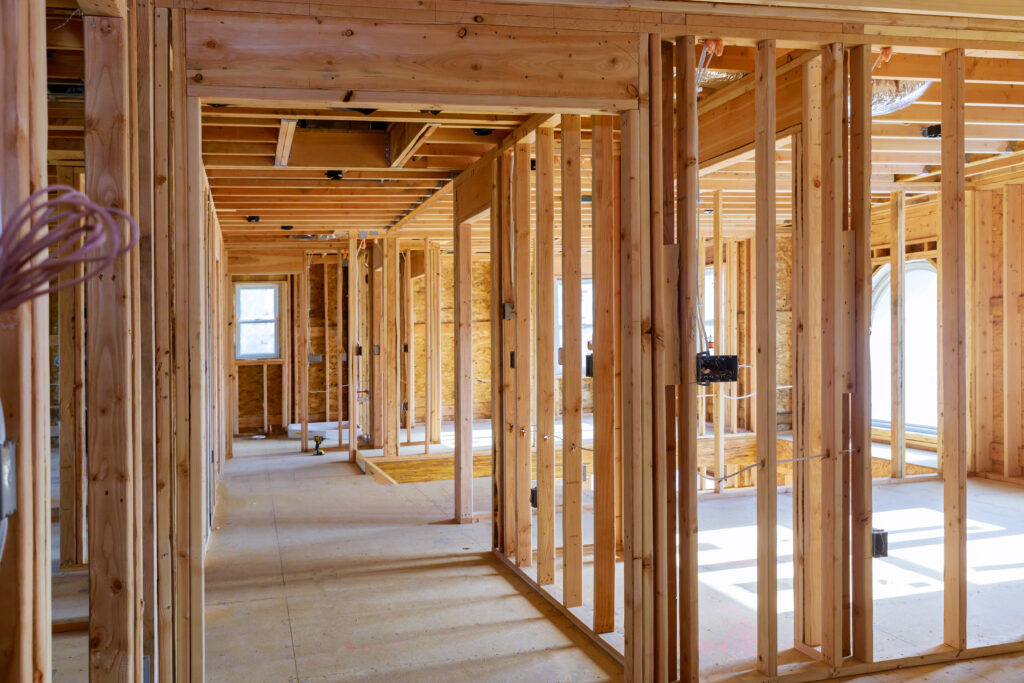
Photo credit: ungvar / Adobe Stock
The value of building permits issued in the St. Catharines-Niagara CMA was up 199.6% over June 2024, Statistics Canada reported today, but between May and June, the total value had dropped by 48%.
Nationally, residential construction intentions declined 15.0%, totalling $21.7 billion in the second quarter, Statistics Canada reported today, as the construction market continues to slow. The total value of building permits in the second quarter was down $1.9 billion to $36.7 billion, following five consecutive quarterly increases.

Photo credit: Matthieu / Adobe Stock
Niagara’s South Coast Tourism Association partners with Indigenous Tourism Ontario on virtual indigenous business programming
- Launch a new Indigenous tourism business
- Upgrade skills for your current venture
- Turn new ideas into reality
To register, visit https://forms.gle/DAHydPaT4Byw128o8

Picture credit: Town of Fort Erie
Town council has approved a wide-ranging Climate Change Action Plan aimed at reducing greenhouse gas emissions and preparing for extreme weather, but will move forward without any mention of a climate emergency.

Picture credit: Oleksii / Adobe Stock
Here’s where Canada’s effective U.S. tariff rate might stand after the carve-outs
When you peel back the many layers of tariffs and exemptions imposed by United States, the effective tariff rate on Canada looks much lower than the headline figures suggest, some economists say.
RBC senior economist Claire Fan said in an interview that the effective tariff rate is an average of the import duties paid on goods heading to the United States that accounts for exemptions tied to the Canada-U.S.-Mexico Agreement on trade, or CUSMA.

Photo credit: Felix Mittermeier / CC0
Canadian canola farmers brace for losses as China announces 75% tariff
China will hit Canadian canola with a 75.8 per cent tariff starting Aug. 14, sending benchmark futures tumbling four per cent to their lowest level since April.
The Chinese ministry of commerce said Canadian canola imports constitute dumping, and so it decided to slap a preliminary tariff on the Canadian crop.
Focus on Retail
Mario Toneguzzi, Retail Insider
Franchising in Canada is seeing steady and significant growth, with younger generations playing an increasingly vital role in the sector’s future.
“Franchising continues to grow in Canada,” said Sherry McNeil, President and CEO of the Canadian Franchise Association (CFA), in an interview with Retail Insider. “In 2019, it was an industry that generated $96 billion annually to the national GDP. And in 2025, the CFA is projecting that we will reach $133 billion. That’s quite an increase from 96 to 133 even during the time of the pandemic.”
When asked why franchising is on the rise, McNeil pointed to several trends: “Online search is up every time there’s an economic downturn. we saw online search increase for ‘own your own business,’ ‘own a franchise business,’ etc. during the pandemic.
Through the Daily Updates, the GNCC aims to deliver important business news in a timely manner. We disseminate all news and information we feel will be important to businesses. Inclusion in the Daily Update is not an endorsement by the GNCC.
